


The hidden motives behind gambling psychology
The Thrill of Uncertainty
The allure of gambling is often rooted in the thrill of uncertainty. Players are drawn to the excitement of not knowing the outcome of their bets, which stimulates the brain’s reward system. This unpredictability creates a rush, akin to an adrenaline high, making it difficult for individuals to resist the urge to gamble. This psychological aspect is critical as it keeps players coming back for more, even when the odds are not in their favor. Many Australians enjoy these experiences, especially with options like online pokies with payid.
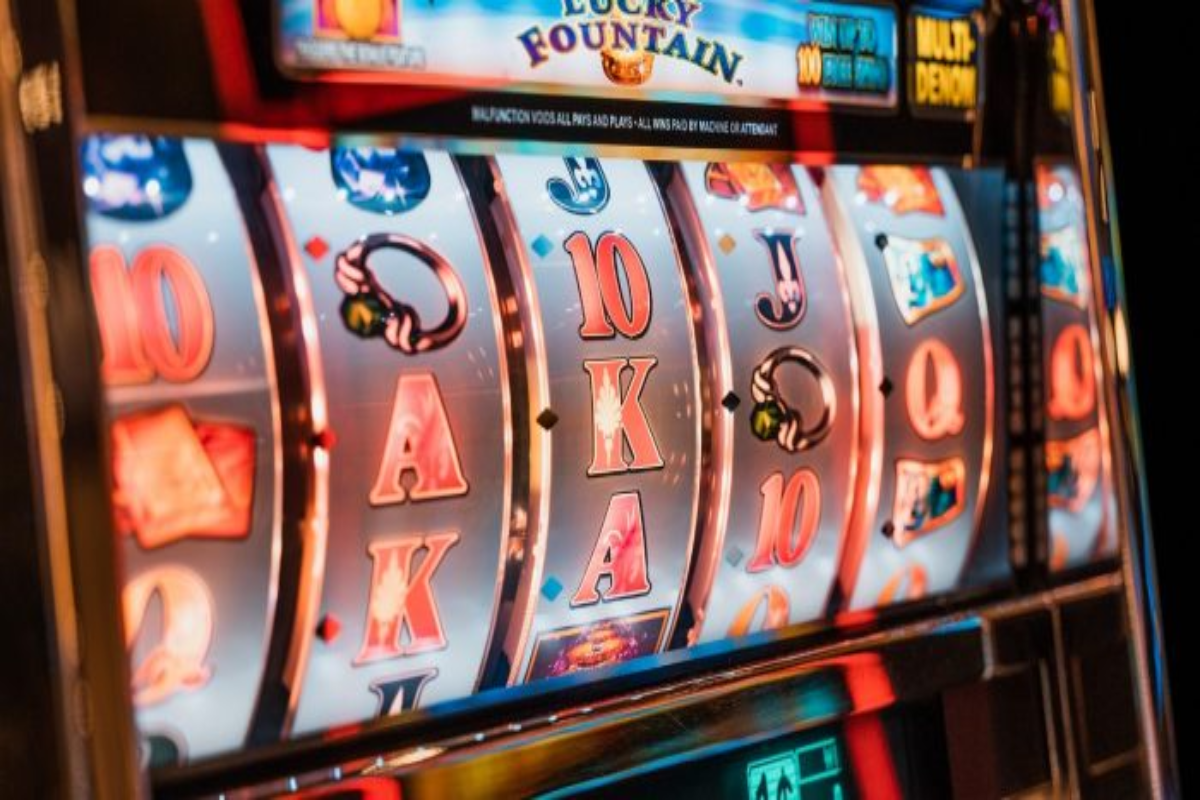
Moreover, the anticipation that builds as players await results can lead to a heightened emotional state, further reinforcing their desire to engage in gambling. This cycle of anticipation and reward is a powerful motivator, driving players to chase that elusive win that can feel just within reach.
The Role of Social Influence
Social factors significantly influence gambling behavior, with peer pressure and cultural norms often playing a pivotal role. For many, gambling is a social activity shared among friends and family, providing a sense of belonging. This communal aspect can overshadow personal judgment, leading individuals to engage in risky behaviors they might otherwise avoid.
Additionally, the portrayal of gambling in media and popular culture can shape perceptions and attitudes. Positive depictions can glamorize the experience, making it appear more appealing and socially acceptable, thereby further embedding it into societal norms and values.
Cognitive Biases and Misconceptions
Cognitive biases significantly contribute to gambling psychology, with players often falling prey to the illusion of control. This bias leads individuals to believe they can influence outcomes in games of chance, such as poker or slot machines. Such misconceptions can encourage continued play, as individuals might not recognize their lack of control over random events.
Moreover, the gambler’s fallacy—a common misconception that past outcomes affect future probabilities—can perpetuate a cycle of gambling. Players might irrationally believe that after a series of losses, a win is due, which can lead to increased betting and deeper financial losses.
The Emotional Rollercoaster
The emotional aspects of gambling play a crucial role in its appeal. Many players gamble to escape negative feelings or stress, using it as a form of entertainment or distraction. This emotional reliance can turn gambling into a coping mechanism, often leading to problematic behaviors and addiction.
Additionally, the highs of winning can create a strong emotional attachment, with players often chasing these feelings. The contrast between the highs and lows of gambling can lead to an addictive cycle, where the pursuit of excitement overshadows rational decision-making.

Understanding Gambling Psychology for Better Choices
Recognizing the underlying motives behind gambling psychology is essential for making informed decisions. By understanding the thrill of uncertainty, social influences, and cognitive biases, individuals can better navigate their gambling habits and choices. This awareness can empower players to engage in gambling responsibly, ensuring that it remains an enjoyable pastime rather than a source of distress.
For those seeking a balanced approach to gambling, exploring reliable resources can provide valuable insights and strategies. Prioritizing safety and informed decision-making can enhance the overall gaming experience, allowing for enjoyment without the pitfalls associated with unhealthy gambling behaviors.